
Champagne Hangovers & Existential Dread

There is a particular kind of optimism reserved for the final minutes of the year. It’s loud, communal, and conspicuously well-timed. We treat it as a threshold, a ceremonial pause between who we were and who we insist we’re about to become. The room swells with expectation. Strangers hug. Resolution is implied. Time, for reasons no one can quite explain, is expected to behave differently after midnight.
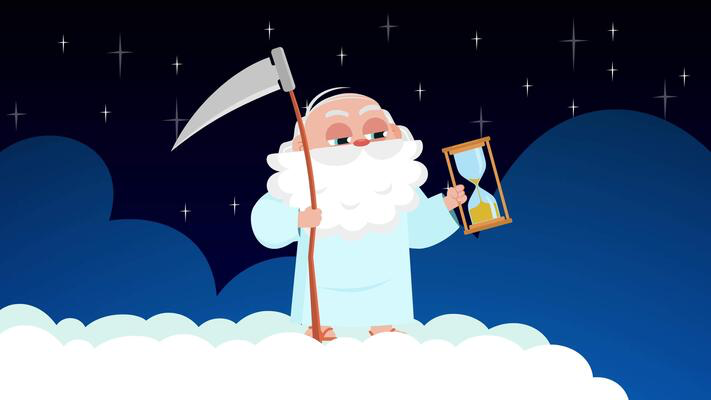
The ritual rarely changes; there is comfort in the choreography. The countdown. The collective inhale. We dress better than usual, speak more generously than we mean to, and temporarily suspend our skepticism in favor of something shinier. This is not hope exactly - hope requires effort - but a softer, carbonated cousin. The kind that tingles briefly and then asks nothing further of us until morning.
It’s worth noting how little actually happens at midnight. No tectonic plates shift. No moral balances are settled. Whatever followed us into the room remains politely seated in the corner. The calendar turns with all the drama of a bureaucratic form being filed. The future doesn’t arrive; it simply resumes, unimpressed by our costumes and intentions. And yet, we insist on marking the moment with noise, sparkle, and liquid ceremony, as if ritual alone could convince time to blink.
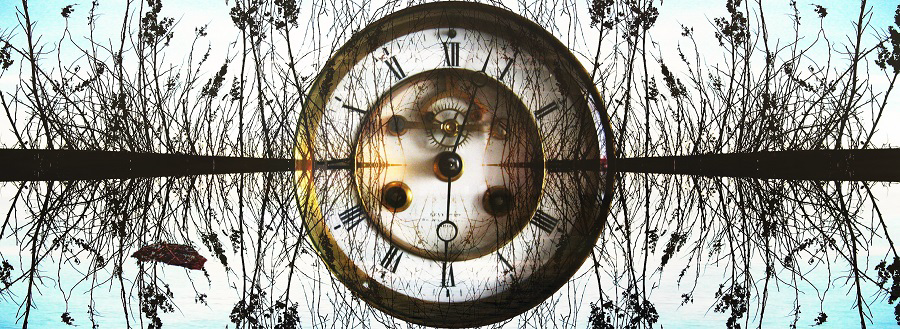
Which brings us to champagne hangovers and existential dread - to the bottle waiting patiently on ice. The drink designed for endings dressed up as beginnings. The one we shake, pop, pour, and toast with, year after year, despite knowing exactly how fleeting the sensation will be. Champagne - celebratory, effervescent, and perfectly suited to a night that promises renewal and delivers, at best, a pleasant illusion.
The Bubbles: A Lesson in Fleeting Joy
Let’s start with the bubbles.
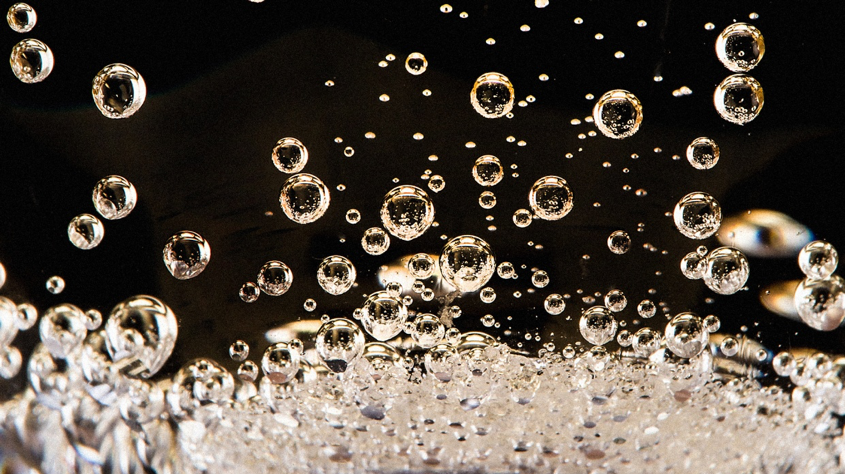
Tiny, effervescent, and irrepressibly cheerful, they race to the surface, sparkling with hope and possibility. Each one seems to whisper, “This is your year,” before bursting into nothingness. They’re the first thing we fall for. Before the taste, before the warmth, before the consequences. They are beautiful precisely because they are going somewhere else. Champagne doesn’t sit still; it performs. Each bubble offers a brief moment of wonder before vanishing without apology, which may explain why we find them so comforting. They ask nothing of us except attention, and even that only for a second.
· Scientists estimate there are approximately 9.8 million bubbles in a single glass of champagne, and around 49 million in a standard bottle, all competing enthusiastically for a moment at the surface.
· In a typical glass, bubbles emerge at a rate of roughly 30 per second, ensuring there’s always another one arriving just in time to distract you from the last.
A champagne bubble lives just long enough to announce itself before disappearing, and then another takes its place, equally confident, equally doomed.

Millions of them rise and vanish in a single glass, at a pace so brisk it feels almost reassuring - as if abundance could make up for impermanence. Joy, it turns out, follows much the same logic. It arrives suddenly, demands to be admired, and evaporates before we’ve had time to decide what it meant. By the time we reach for it, it’s already been replaced by the next bright, insistent thing climbing toward the surface.
The Pop: False Promises of a Fresh Start
The pop, synonymous with celebration, is the moment we’ve all agreed matters most. It’s loud, decisive, and deeply satisfying, the audible punctuation mark that ends one year and begins another. We flinch, we cheer, we smile as if something irreversible has just occurred. The sound suggests release, transformation, a clean break. It implies that whatever pressure existed before has now been dealt with, dispatched in a single, celebratory crack.
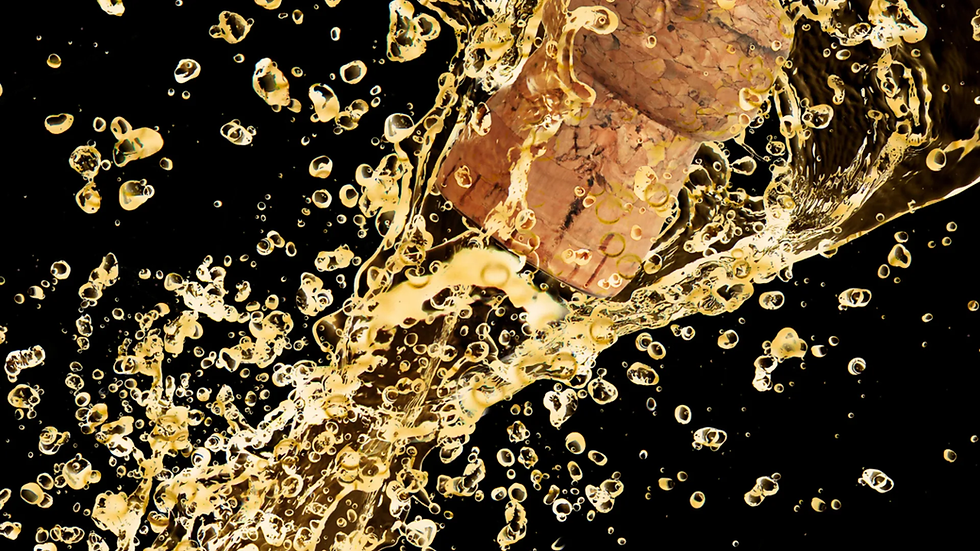
· A champagne cork can reach speeds of up to 25 miles/hour, propelled by roughly 90 pounds per square inch of pressure - nearly three times the pressure in a car tire, which helps explain the urgency of its exit.
· The longest recorded champagne cork flight travelled approximately 177 feet, set in New York in 1988.
What the pop actually represents, of course, is escape. Nothing new is created; something merely gets out.
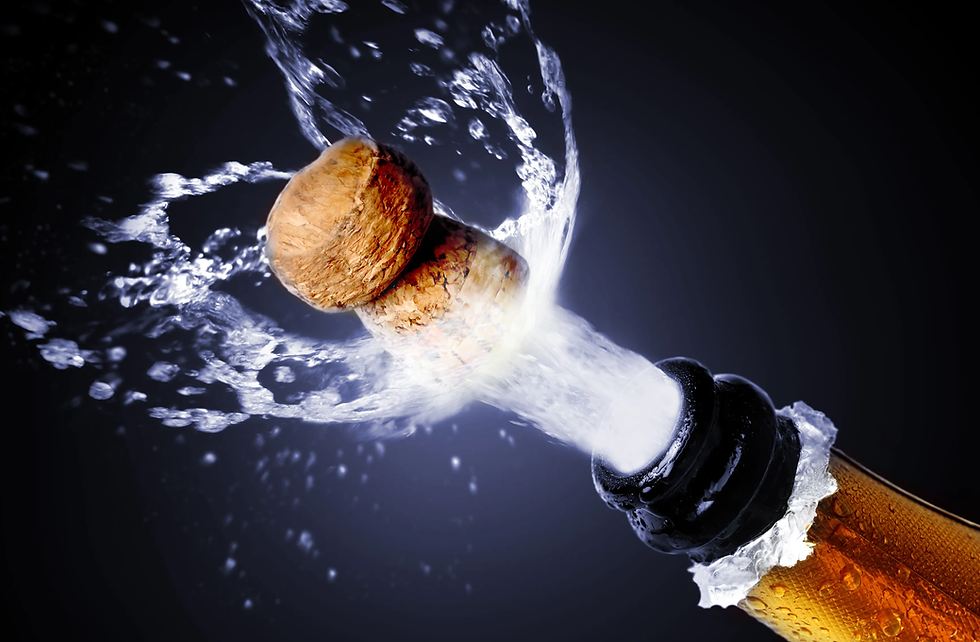
Champagne professionals tend to avoid the theatrical explosion altogether, preferring a quiet sigh to a spectacle, but that hardly suits the occasion. We want noise. We want proof that the moment is different, that the past has been properly dismissed. The pop delivers this illusion beautifully - briefly convincing us that a fresh start can be summoned on command, so long as it announces itself loudly enough.
The Fizz: Happiness, But Make It Temporary
If the pop is a declaration, the fizz is the fun part.
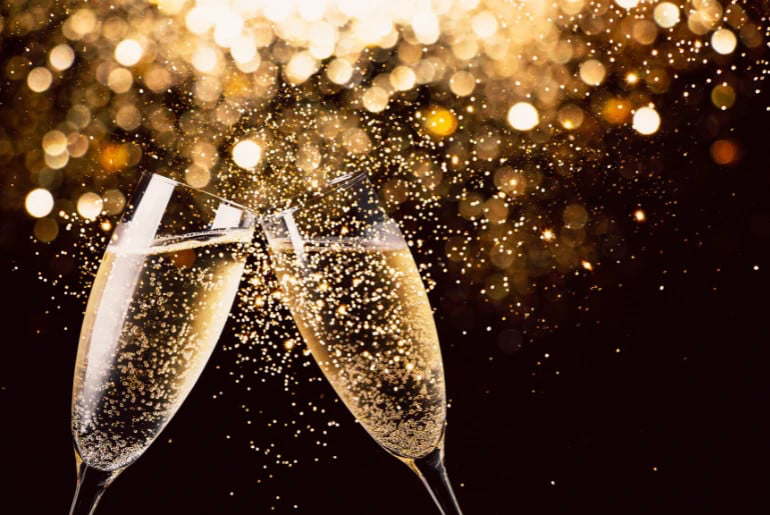
It’s the sensation we’re actually chasing. It tickles our nose, dances on our tongue, and reminds us, however briefly, that life can be sparkling and delightful. It flatters us into believing that pleasure, once achieved, might linger, or at least slow its departure out of politeness. But it’s also fragile, disappearing the moment you leave the glass unattended.
· The long, narrow shape of the flute is practically a bubble-preserving miracle, giving each tiny effervescent ambassador a fighting chance to reach your nose before disappearing.
· Overchill your champagne and the bubbles fizzle out. Carbon dioxide dissolves better in cold liquids, so aim for about 7–10°C (45–50°F) - cold enough to impress, warm enough to fizz.
The fizz is impatient. It softens quickly, its energy fading almost as soon as we notice it. Warmth dulls it. Time dismantles it. Even the finest champagne cannot hold onto its sparkle for long, and the truly great ones often seem less exuberant to begin with - more suggestion than spectacle. Happiness works much the same way. The more we try to preserve it, to trap it in the moment, the faster it slips into something else. What remains is not dissatisfaction, exactly, but the quiet understanding that the feeling did what it was supposed to do.

And maybe that’s the point: if happiness lasted forever, would we even notice it?
The Hangover: The Cost of Indulgence
All the sparkle in the world eventually comes due. The pop and the fizz have performed their brief magic, and now the body, predictably, reminds us of the ledger we ignored.

Champagne, for all its elegance, is not exempt from consequence. Its carbonation accelerates alcohol absorption, and those sugary, golden bubbles - once flirtatious - turn out to be accomplices in the morning-after’s duller revelations. The very thing that felt like fleeting joy becomes an inconvenient truth hours later, leaving a quiet, throbbing reminder that pleasure always carries a tab.
· Marilyn Monroe once took a champagne bath, using 350 bottles of bubbly to fill her tub.

· The champagne coupe is a classic glass shape that is said to have been modelled on the breast of ultimately headless French Queen Marie-Antoinette. Legend has it that she had her court toast to her health in these glasses.
It’s remarkable how routine the aftermath has become. The pounding headache, the dry mouth, the existential questions (“Why did I text my ex at 12:03am?”) - all familiar, all predictable, all utterly unavoidable. We tend to think of indulgence as a gift, but it is merely a transaction. Champagne doesn’t lie; it just doesn’t bother to sugarcoat the fine print. We pay in hours of discomfort for a momentary rush of exhilaration, and yet, strangely, we line up again next year with the same hopeful fervor. Some habits, it seems, are irresistible precisely because we know the price.
Ennui: A Constant Companion
If the bubbles are joy, the pop promise, and the hangover is truth, then ennui is simply the wine that never leaves the bottle.

It is less flashy, less polite, but just as unavoidable. Even as we laugh, cheer, and toast, somewhere beneath the tinsel and sparkle, a quiet pressure persists - reminding us that celebration, like life, is always provisional. It lingers in the corners, in the quiet hum of the refrigerator, in the tiny bubbles we missed while raising our glasses.
· Champagne was, in fact, an accident. Monks attempting to make still wine discovered bubbles by mistake. Dom Pérignon - yes, that Dom Pérignon - refined the process, strengthening bottles, controlling fermentation, and blending grapes to make chaos taste elegant.
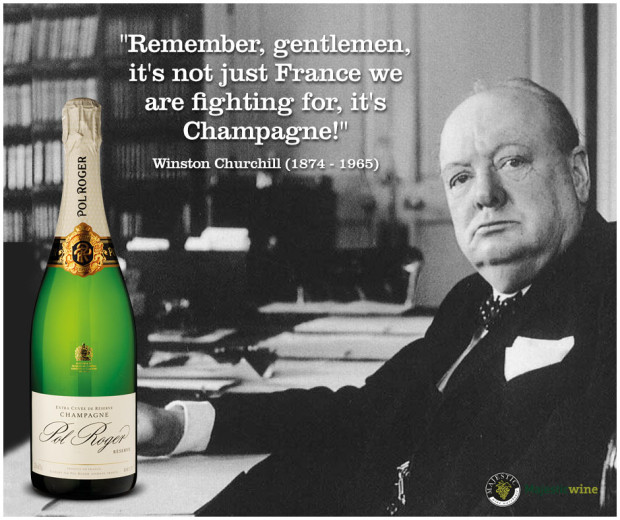
· Winston Churchill was a devoted champagne drinker, reportedly consuming it almost daily. He once said, “In victory, I deserve it. In defeat, I need it.”
Champagne, once thought of as perfection bottled, is in fact a lesson in impermanence. Its very creation depends on fermentation gone slightly awry, a process once condemned by the monks who first made it. Every corked bottle is a fragile attempt to hold chaos in check, a temporary truce with forces we cannot control.
So too with life, and so too with our hopes: no matter how tightly sealed, no matter how festive the moment, the pressure never fully disappears. And perhaps that is why we keep returning to it, year after year - because the dread, like the drink, is always there, and still, we reach for another glass.
Final Toast
We raise our glasses because it’s tradition, because it’s pretty, because it smells faintly of hope and expensive sugar. We do not raise them for wisdom, or for lasting change, not even for the fleeting joy we pretend to capture. And yet, for a moment, the cork flies, the bubbles rise, the fizz tickles, and we forget - if only for a little while - that the ledger is waiting.
Champagne, in its careless brilliance, is both promise and reminder. It sparkles and disappears, delights and deceives, celebrates and chastises. It’s a tiny, gleaming mirror of our own year: bright, messy, ephemeral, and stubbornly irresistible. We toast to it anyway, because the alternative - staring soberly at time passing - is a prospect far too dull to endure.

So, we drink, and we laugh, and we let the momentary thrill wash over us. We remember that happiness is fleeting, that indulgence carries a price, and that dread, no matter how well hidden, is part of the package. And then, just like the bubbles, the night is gone. The year is gone. The taste lingers only in memory and in the faint fizz still tickling the glass.
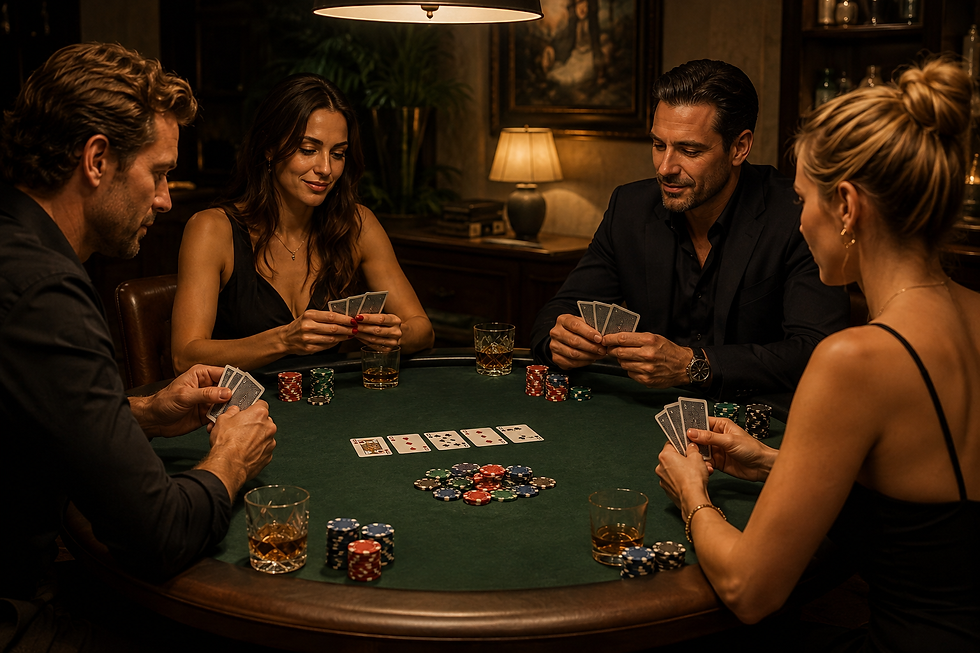
Raise it anyway. Pop it anyway. Smile, because, even knowing that the rules always favor the house, we still want to play. And when the hangover comes - and it will - we will still remember that, for a brief sparkling instant, it all seemed like magic.
See you all in the New Year!



Hahahahahaha. I love the quote: “If happiness lasted forever, would we even notice it”?
Hmmmmm. I’ll return to that in a moment, but if Tequila is my fire water (avoid like the plague, because I turn into Mr Hyde), then Champagne is the hardcore hangover after the first sip. I know, Champagne, for all you described, is lusted after, sought after and paid for in mortgage payments by most; is an adult beverage I despise!
I have had every type of sparkling wine, Prosecco, Champagne; from the Doux (tastes like syrup) to the Brut Nature (absolutely undrinkable for this palate). I can honestly say, I have never enjoyed a sip. Hate, is probably too strong a word, but it’s …